over 95% of our patients are highly satisfied,
Robotics Unicompartmental Knee Resurfacing (or Partial Knee Replacement)
Over 90% chance that UKR will last for 15+ years allowing most patients to lead normal, active lives.
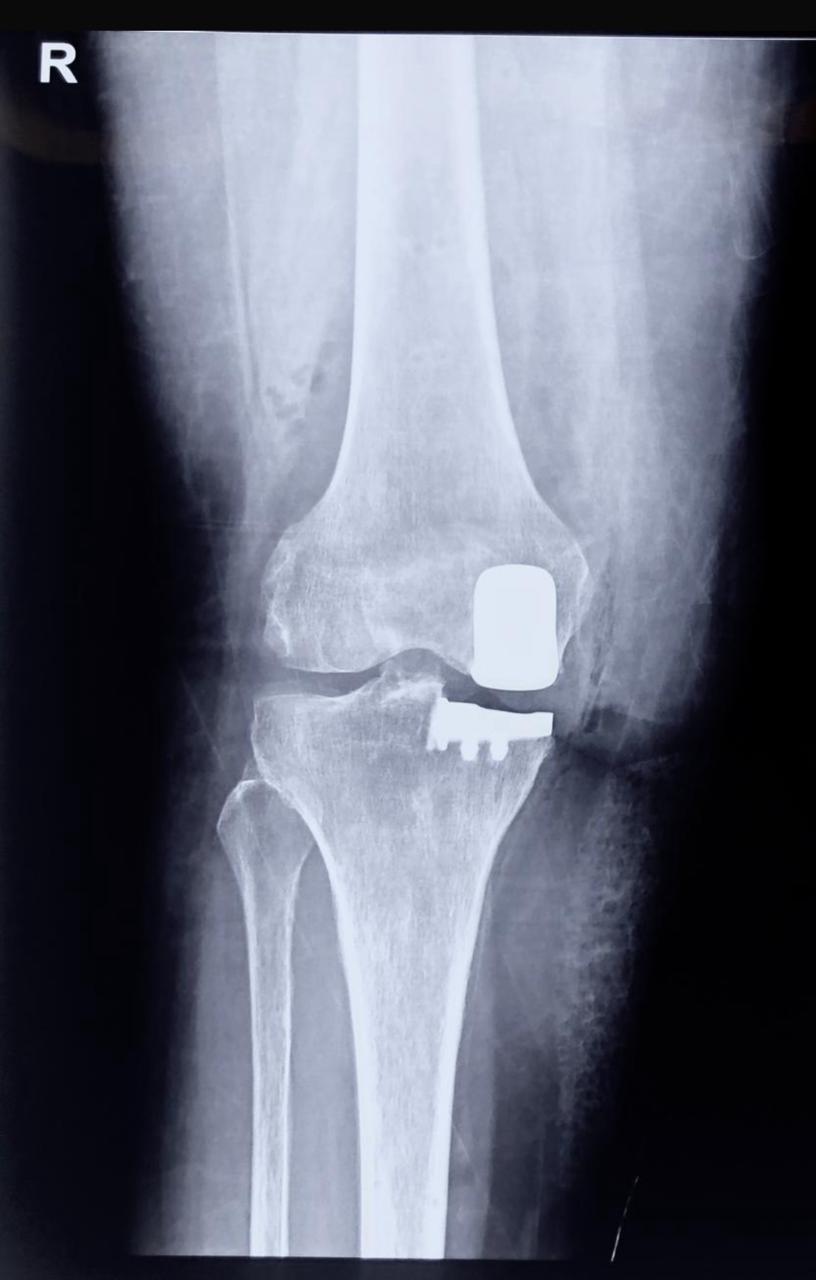
In a normal knee, the bone ends do not touch each other because they are covered by a thin cushion called cartilage, which appears as a space between the bones on X-rays. Arthritis is the wear-and-tear of the cartilage in one part of the knee (called a ‘compartment’), while the other two compartments remain healthy.
In Unicompartmental Knee Resurfacing (or partial knee replacement), only the worn cartilage in one compartment is resurfaced with metal and polyethylene, while preserving the rest of the normal knee. By resurfacing only one compartment at the right time, the normal knee joint is preserved, and a total knee replacement can be avoided or delayed for over 15 years.
With advancements in medical technology, robotics plays a crucial role in this procedure. Robotic-assisted surgery allows for greater precision during the resurfacing process, ensuring that only the damaged cartilage is treated while protecting the surrounding healthy tissue. This precision leads to better alignment, improved outcomes, and a quicker recovery, further extending the lifespan of the partial knee replacement.
'Total Knee Replacement' is a misleading term as your whole knee is not replaced!
Robotic Total Knee Replacement
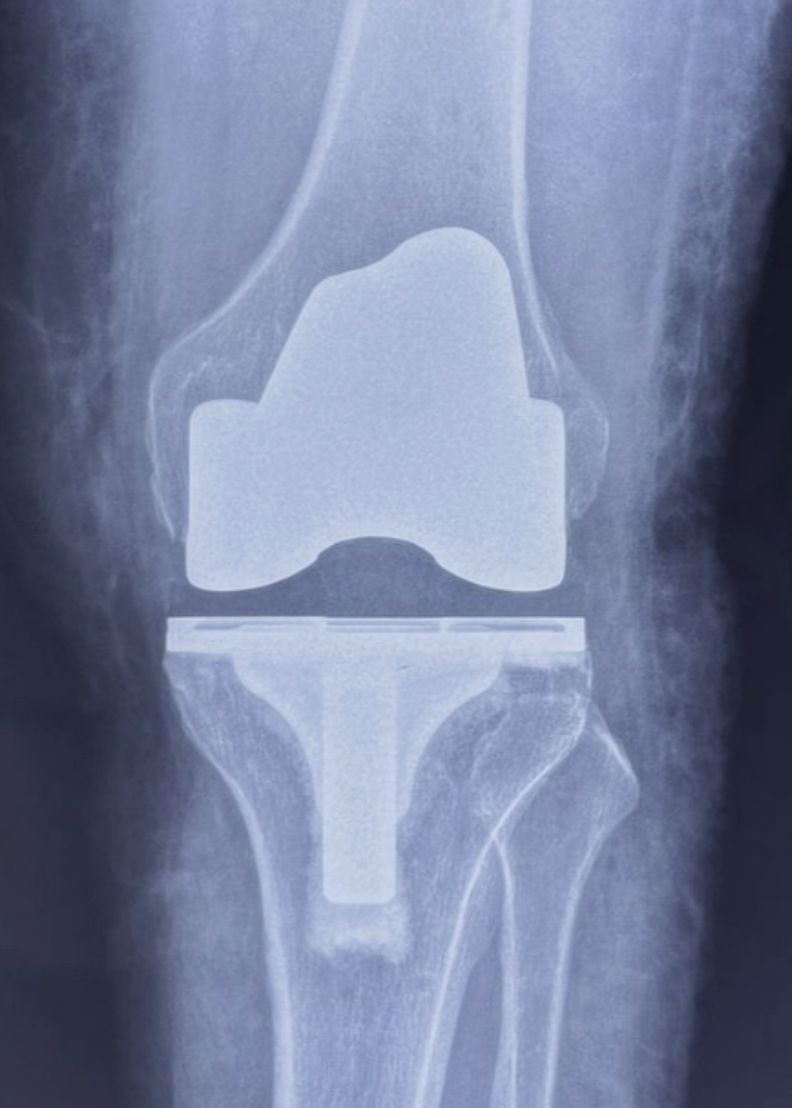
It only involves resurfacing the cartilage on the bones with new surfaces made of metal and polyethylene, which have been used successfully for many years.
In the normal knee, the bones are covered with a thin white cushion called cartilage, which prevents the bones from rubbing against one another.
With advancements in medical technology, robotics can be utilized in knee surgeries to enhance precision. Robotic-assisted surgery allows surgeons to accurately target and treat damaged areas of cartilage, ensuring that healthy tissue is preserved.
This precision leads to better alignment, reduced recovery time, and improved overall outcomes for patients.
Enhancing Precision with Robotic Revision Surgery
Robotic Revision Surgery
Robotic Revision Surgery one paragraph heading needed
Total Knee and Hip Replacement surgeries relieve pain, restore function, and provide long-term benefits. However, these implants may sometimes fail and require a second corrective surgery called “Revision” surgery. The causes of failure can include the implant wearing out or loosening after many years, a fall that fractures the bone near the implant, or an infection in the implant. Additionally, failure can occur due to technical reasons, such as poor alignment or balance during the initial surgery.
Revision surgery is even more challenging than the first-time surgery, requiring greater experience, specialized equipment, and instruments for a successful result. Robotics can play a crucial role in this complex procedure. Robotic-assisted surgery enhances precision in revision surgeries, allowing surgeons to meticulously remove the old implant and prepare the site for the new one. This precision minimizes damage to the surrounding bone and tissue, improving the chances of a successful outcome and a quicker recovery.